Over the years since I first studied (and then taught) animal welfare, and equine welfare specifically, there has been a shift away from simply measuring and avoiding signs of poor/ compromised welfare and towards recognising that we need to look at quality of life and that welfare shouldn’t just be ‘good enough’ but that the horse should be able to have a life worth living.
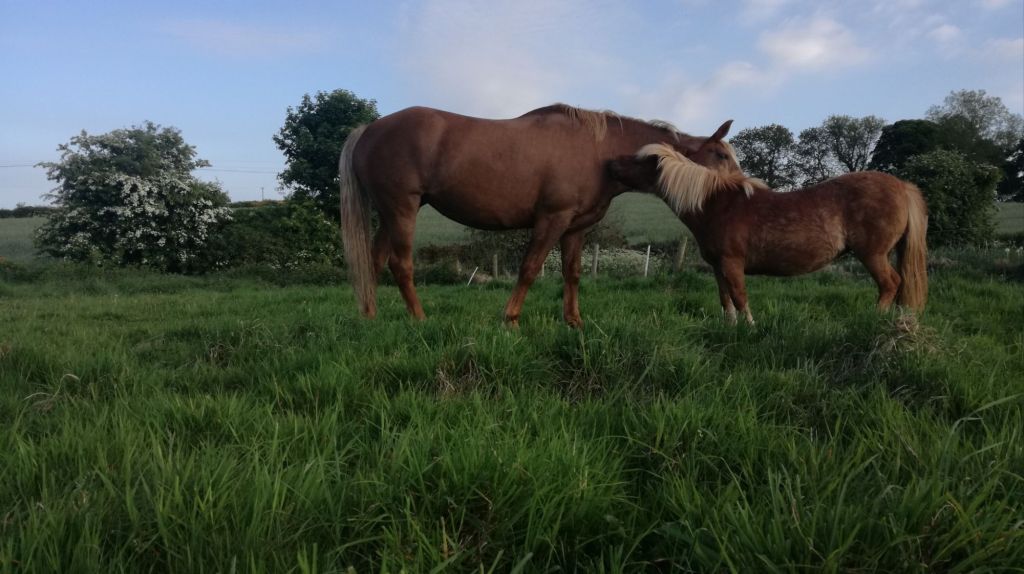
I have often seen horses that have had every physical need met, that have been in fabulous condition, but at the same time their emotional needs haven’t been met.
I think there have always been experienced horse people with a good understanding of what makes horses happy. I know when I was growing up I was taught that ponies needed to live in groups and the importance of friends, forage and freedom, even if we didn’t call it that in those days. But not everyone thinks that way, and there is a tendency towards focusing on the physical care, believing that if horses are pampered,wrapped up, safe and secure in a stable, they must be okay.
I’m really glad to see that this view is being challenged now and I would love to see the status quo shift away from stabling to group housing/ extended herd turnout and ad lib forage where appropriate. Because of course, the key is to look at each individual and their needs and ensure that what you are doing is right for them. Over the years I’ve had a few horses that have had social issues and it has taken very careful rehabilitation to get them to the point where they are happy and comfortable in the herd environment (and that the rest of the herd is also happy and comfortable).
But a life worth living isn’t just about friends, forage and freedom. A life worth living is also about pain management and being comfortable enough to enjoy a decent quality of life.
I’m feeling a bit sad today because it is exactly a year since I said goodbye to my beautiful mare Rosie at the age of not quite 17. I remember in 2005 the excitement as we selected a stallion, as Geri was covered and I watched her blossom as the foal grew inside her. Rosie was to be my big project, the chance for me to put into practice all my behavioural and training knowledge to produce my ‘perfect’ horse. I always joked that she was my eldest daughter, since I was there at conception and birth!

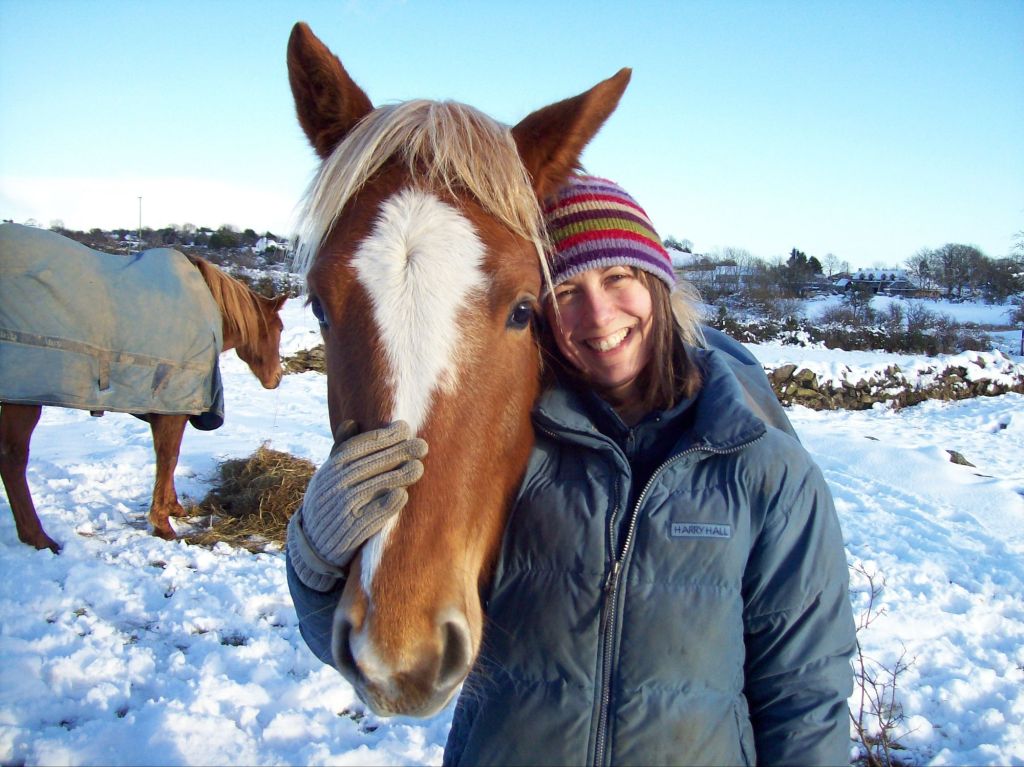
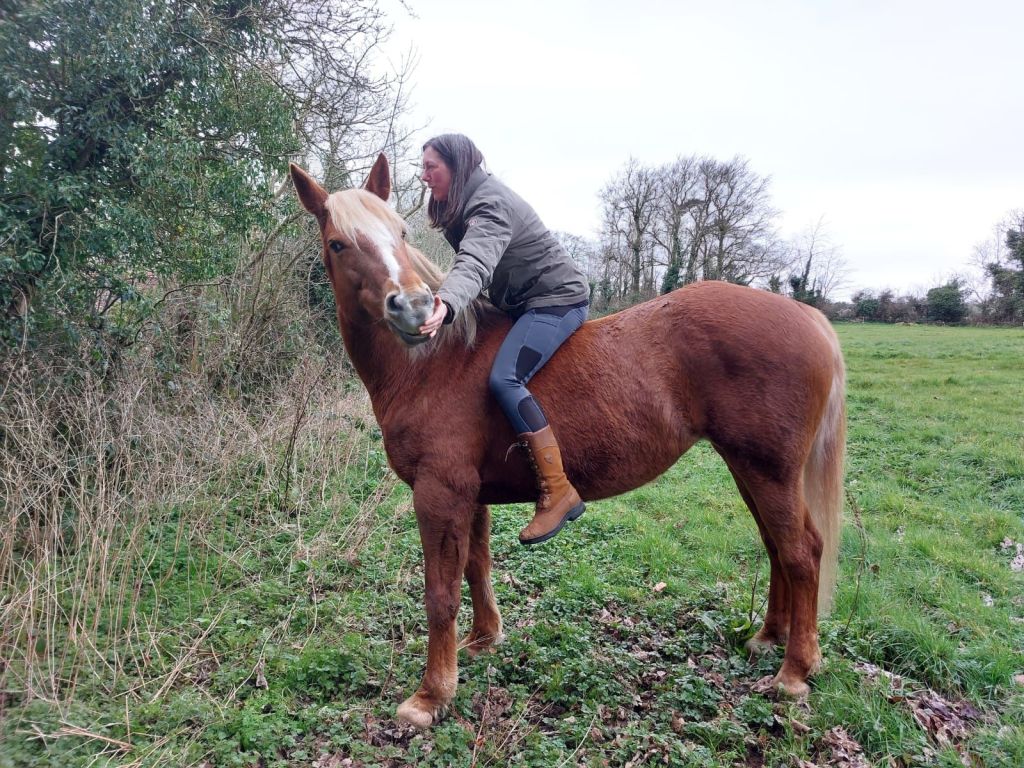
Well, Rosie will always be perfect to me, but sadly she was beset by problems and so we never really achieved my hopes and dreams. I trained her tackless, but she became unsound before I was really able to develop that into what I wanted. However she did teach me so much about having a horse that truluy enjoyed and genuinely wanted to be ridden and so I knew immediately the day and hour that changed, when she said she wasn’t comfortable and she’d rather not do this, thank you very much. Over the following years she came in and out of light work, depending how she felt, until she got to the point that she just wasn’t comfortable even with that.
I monitored her carefully and saw her go from being a horse that loved to be part of the herd to one that couldn’t cope with the other horses around her. So she had her own space, her own paddock, and that worked for a while. But then gradually even that changed, she stopped lying down in the field and her expression became increasingly tense. I felt that she was just missing out on too many of the things that had brought her pleasure as a younger horse. It is very hard when you are trained in observing the fine detail of behaviour and expression to watch someone you love gradually become less and less happy.
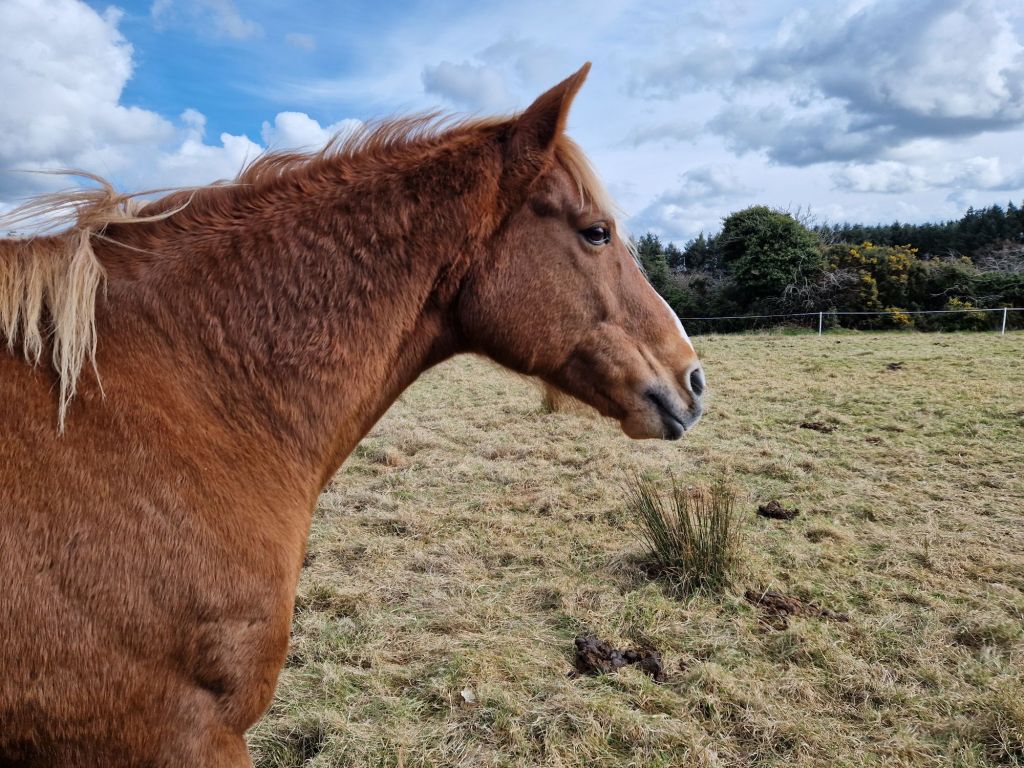
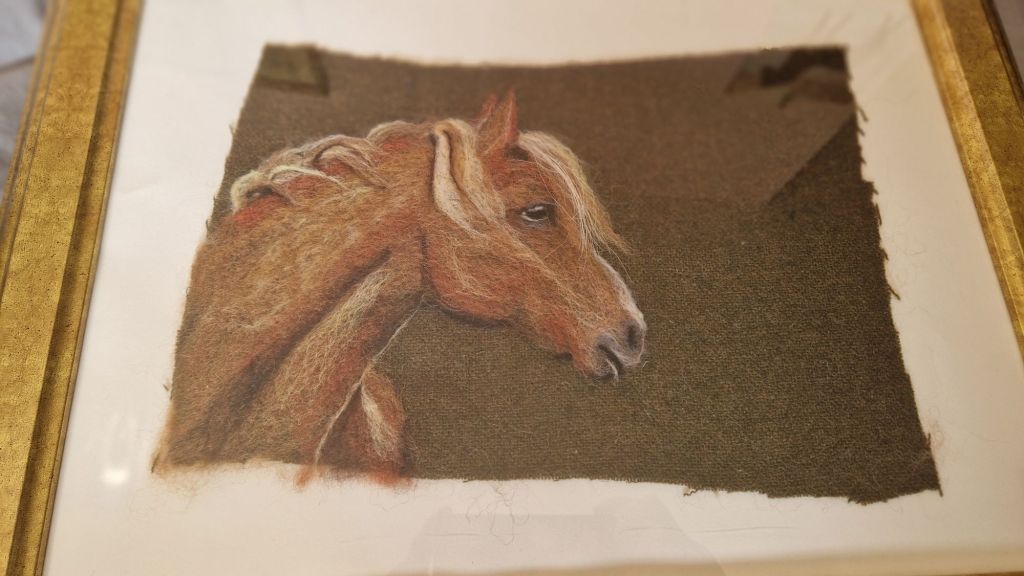
I’ll share with you now an image of how she was towards the end and I’m sure you can see the tension in her face. This was taken at time when she was relaxed in the field, no external stimuli to cause stress, just whatever was going on with her internally.
One thing we were taught at university is that being dead is never a welfare issue. So I felt that, no matter how incredibly painful it was for me, I would do this one thing for her that I could. Along with my very supportive and kind vet we carefully planned the day of the goodbye. I spent half an hour in the field with her, grooming her and just chilling together. The sun was shining, the birds were singing, and when the time came she was so relaxed and happy, it was just the easiest thing. I’ve been there at the end for four of my horses now and a few of my clients/ friends. I can honestly say she had the most peaceful passing, and I’m so glad that we did it when we did, rather than wait until her suffering had got worse.
I’m very grateful that my knowledge and understanding and experience as a Clinical Equine Behaviourist meant that I was able to make all the observations about her quality of life and behaviour that meant I could say goodbye to her before her life became something she couldn’t cope with. It was very, very tough and it still hurts so much to not have her around, but I’m so glad I put her needs first.
So often I think we make the mistake of keeping going, thinking they might turn a corner, or just being a little blind to their suffering simply because they are still on their feet and still eating.
One of the things that really helped me make the decision was looking back over photos of her throughout her life, and observing how her expression changed.
I hope that sharing this has maybe helped some of you with making that difficult decision. I’m so glad Rosie is at peace and that she didn’t end up dragging herself around in a lot of pain. I will always miss her, I can hardly see what I’m typing here for tears and this is one year down the line, but I will always be grateful for the lessons she taught me, and for being the loveliest horse friend anyone could wish for ❤️❤️❤️.


 Spence Horse Sense
Leave a reply to spencehorsesense Cancel reply