
What does that even mean? We need to consider what we want when we let horses loose. For some people, it is still very much about maintaining control.
I remember nearly twenty years ago watching a ‘liberty’ course by a popular natural horsemanship trainer that said that liberty was what you did last when all the other training was confirmed. I found that this idea didn’t sit well with me at all: for me liberty is where we begin, not where we finish. If a horse won’t do something for you at liberty and with freedom of choice, not force, then you are asking too much. Obviously there are exceptions to this, we can’t all do what we want all of the time, but we need to recognise the horse’s feelings about the situation. Good training properly prepares them mentally and physically for what we are asking, no shortcuts.
I first started doing what I would call liberty work when I was a teenager. I had a mare on loan, Sammy, and we used to play in the field together: I would give her lots of scratches and fuss, she would follow me around with her nose on my back and then we would run together up the field. I felt I had a very close relationship with her and that she really trusted me. I was very lucky to have her and she taught me a lot about horses.
I had a few other horses on loan after that but I kept them at livery and didn’t have the same freedom to experiment with them. Then, I bought my first horse and kept her at the farm where I had kept my original loan mare.
By this stage I had completed my Psychology degree, studied horse behaviour in more depth and had a much better understanding of learning theory and welfare.
I combined what I had learned naturally with Sammy with some more formal positive reinforcement and taught my new mare, Geri, to walk and trot ‘at heel’ beside me.
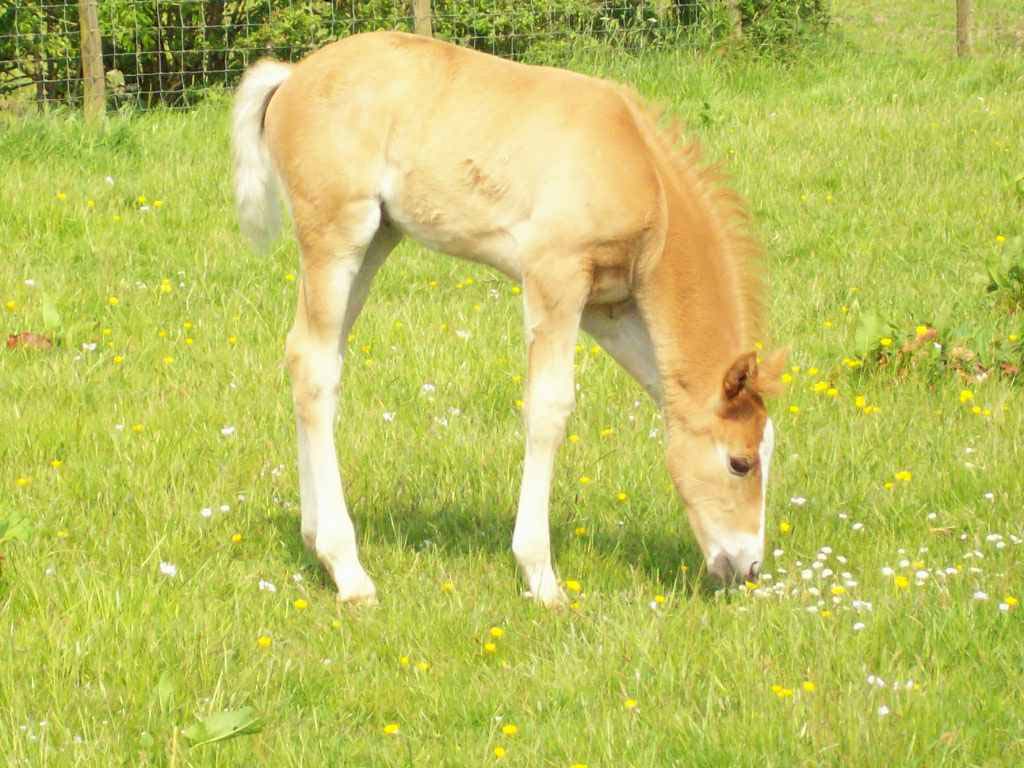
Then I bred a foal from her, Rosie, and progressed my ideas further as Rosie grew and developed. I also backed a few youngsters for people in that time and focused on teaching them to deal with obstacles at liberty as well as the simple ‘heelwork’.
With Rosie, I trained her tackless from the beginning, not even a neck strap: I think I sat on her literally a handful of times with a saddle and a bitless bridle, but we didn’t go anywhere.

All our movement work was trained in the field, she would come to the gate and line up when I climbed on it so that I could get on. I taught her to flex left and right to a simple point cue trained using a target, transitions were off my voice. We had a lot of fun riding in the field until she had a few veterinary issues that led to early retirement.

In the nearly twenty years since Rosie was foaled, I have backed more youngsters, always starting the groundwork at liberty before we progress to working on line.
For me liberty is about freedom of choice, not force. I want the horse to be able to be honest with me about how they are feeling. I pay close attention to their body language and I work to keep them relaxed and comfortable and ensure that they understand all the cues and feel positive about them. Any failure to respond to my positively trained cues tells me that they are feeling a little stressed or uncomfortable about the situation and I can then take steps to address that.
I then teach them about restraint and that there are situations where they don’t have free choice (for example when we are out on the roads), but I’m careful to introduce these in a way that isn’t overwhelming for them and I make sure that I still pay close attention to how they are feeling.
I find that this way they become much more confident and relaxed about the challenges that the world brings, but more importantly, I feel that we build a strong relationship that is based on trust.
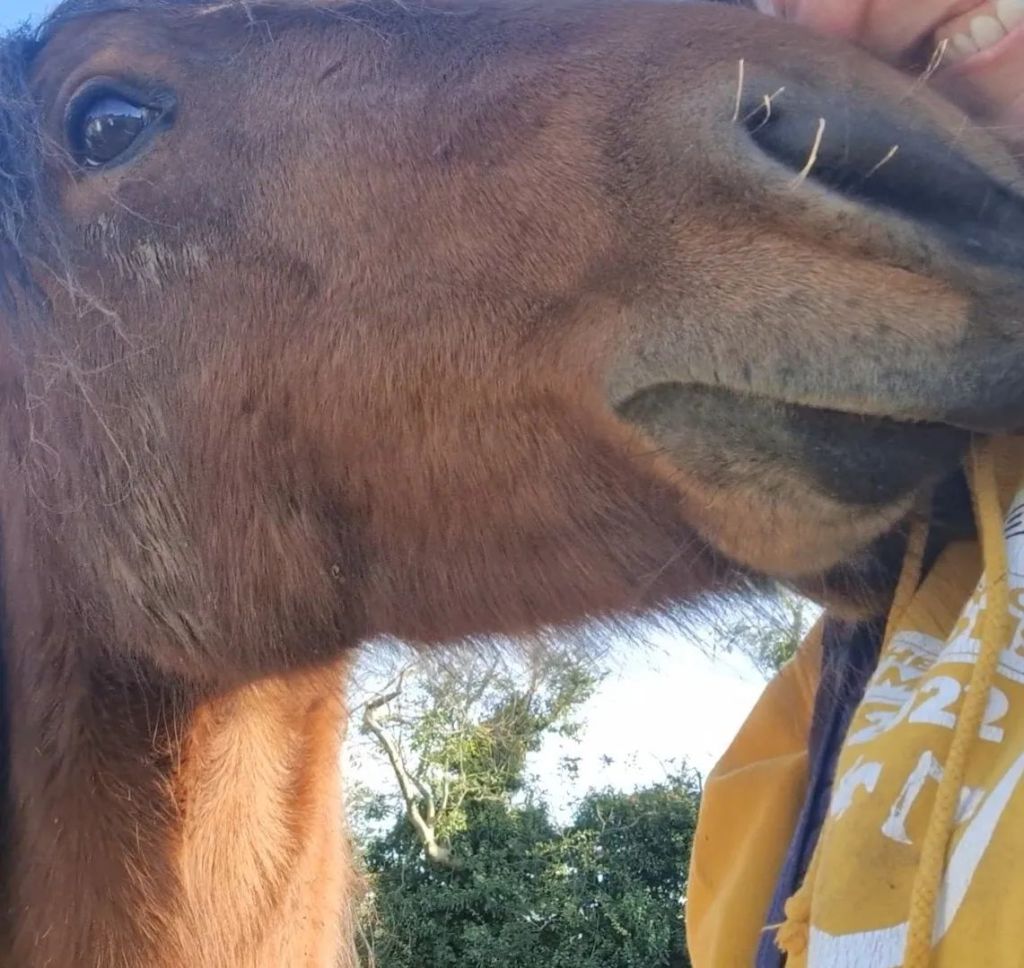
This year I’ve been running a series of workshops at Dukes Cross Country and Livery, Portadown, with the venue very kindly sponsored by Equine-X, as part of their ‘Keeping it Real’ ethos, for horse wellbeing and performance.
About Equine-X
A registered feed company and BETA Trade member based in Northern Ireland.
Home of CONNEXION®, a premium nutraceutical for tendons, ligaments, bones, cartilage, and other equine connective tissues.
Premium Horse Supplement – Equine-X Connexion | Science-Driven Formula | equine-x
I have two spectator spaces remaining on this Saturday’s workshop (one potentially with a horse). Here is the information:
Liberty Work
Saturday 9th August 10am to 4.30pm
THIS WORKSHOP IS FULLY BOOKED HOWEVER IF YOU WOULD LIKE TO ATTEND A SIMILAR ONE OR HOST ONE AT YOUR YARD PLEASE COMPLETE THE BOOKING FORM ANYWAY, THERE IS AN OPTION THAT YOU CAN TICK FOR THAT! OR ELSE DROP ME AN EMAIL OR GIVE ME A CALL 🤩
Ever liked the idea of being able to work with your horse loose in a safe space? Wondered how people motivate horses to stay with them, move around them, but still keep it fun and enjoyable for the horse? Learn how to train liberty work in a positive way, focusing on calmness, engagement and enjoyment for you and your equine partner.
Practical workshop with opportunity to bring own horse.
Spence Horse Sense Events 2025
 Spence Horse Sense
Leave a comment